
SHUPA PET DOG / THE PRACTICAL EDIT
Dog Food Subscription or One-Off Bags? A Cost-and-Stock Worksheet
A dog-food subscription can be cheaper per bag and still send food faster than your dog uses it.
Explore the guide
A dog-food subscription can be cheaper per bag and still send food faster than your dog uses it. This worksheet compares the discount, delivery fees, usable bag weight, cash timing and stock drift before you turn on auto-ship.
1. Separate price, use rate and delivery rhythm
Usable bag weight
Start with the label’s net quantity, then subtract only a realistic loss allowance for spills or unusable crumbs. Do not invent a large “waste” percentage to make a plan look better.
Daily use
Record what is actually served across a representative week. Treats and mixed feeding belong in a separate note; this calculator should not decide nutrition.
Cash per shipment
Apply the subscription discount to the eligible food price, then add delivery and other unavoidable charges.
Stock drift
Compare days covered with the shipment interval. A positive difference means bags accumulate; a negative one warns of a gap.

2. Subscription-and-stock calculator
One food and one delivery plan
This calculator runs in your browser. It does not save, send, subscribe, cancel or add anything to a cart. Use one currency consistently.
3. Worked example: a discount with growing inventory
Fictional example: one 12 kg bag costs 64, delivery is 6, and the dog uses 240 g daily. With a 2% loss allowance, usable food is 12,000 × 0.98 = 11,760 g. One bag therefore covers 11,760 ÷ 240 = 49 days.
A 10% subscription discount makes the food 57.60; adding 6 delivery produces a 63.60 shipment. Sent every 42 days, cash outflow averages 63.60 ÷ 42 × 30.44 = 46.09 per 30.44 days. The food actually consumed over an average month is worth about 63.60 ÷ 49 × 30.44 = 39.51.
A one-off bag plus delivery is 70, or about 70 ÷ 49 × 30.44 = 43.49 per 30.44 days when bought just in time. The subscription lowers the value of food used, but its 42-day schedule sends seven days of extra stock every cycle. After six unchanged cycles that is roughly 42 days of overlapping stock. The practical fix may be a longer interval, not rejecting the discount.
Decision rule
Subscribe only when usable days per shipment are close to the editable delivery interval, the full shipment price is clear, and you can pause before the next charge. Otherwise, compare a one-off reorder reminder with the same delivery costs.
4. Questions to settle before auto-ship
| Check | Record in writing | Why it matters |
|---|---|---|
| Interval control | Shortest and longest interval; cutoff to skip or pause. | A discount does not prevent overstock if the schedule is too short. |
| Eligible price | Which items receive the discount and whether delivery changes. | “10% off” may not apply to every charge. |
| Price changes | How and when a future price is shown before charging. | The first shipment is not a permanent monthly price. |
| Quantity flexibility | Whether you can change bag count without starting a new plan. | Multi-bag minimums can create storage and cash-flow pressure. |
| Damage, recall or formula change | Provider process plus manufacturer lot and product details. | You need an action path that does not depend on memory. |
| Cancellation | Exact account path, deadline and confirmation you can keep. | A usable exit is part of the buying decision. |
5. A seven-day measurement sheet
- Photograph or write down the package name, net quantity, lot information and current price.
- For seven ordinary days, record the amount served from this food. Note mixed-feeding days rather than forcing them into a false average.
- Divide the seven-day total by seven. If the week was unusual, observe longer before choosing an interval.
- Measure the storage space available for one opened and one unopened bag.
- Run the calculator twice: the advertised schedule and the nearest longer schedule.
- Set a calendar review two days before the provider's change cutoff. A reminder is not the same as a cancellation confirmation.
6. What the official label information can and cannot do
The U.S. FDA says animal-food labeling requirements include proper product identification, a net quantity statement, manufacturer or distributor details, and an ingredient list. Those fields help identify the exact product and provide the package quantity used here. The calculator does not decide whether the food or feeding amount is suitable for a particular dog; use the current label directions and individual veterinary advice.
Related Shupa Pet Dog guides
- How to Read a Dog Food Bag: A Buyer's Label Worksheet
- Dog Care Cost Planner
- Your New Dog's First 7 Days
Source and photo note
- FDA: Animal Food Labeling and Pet Food Claims (page updated March 2, 2026; checked October 23, 2026).
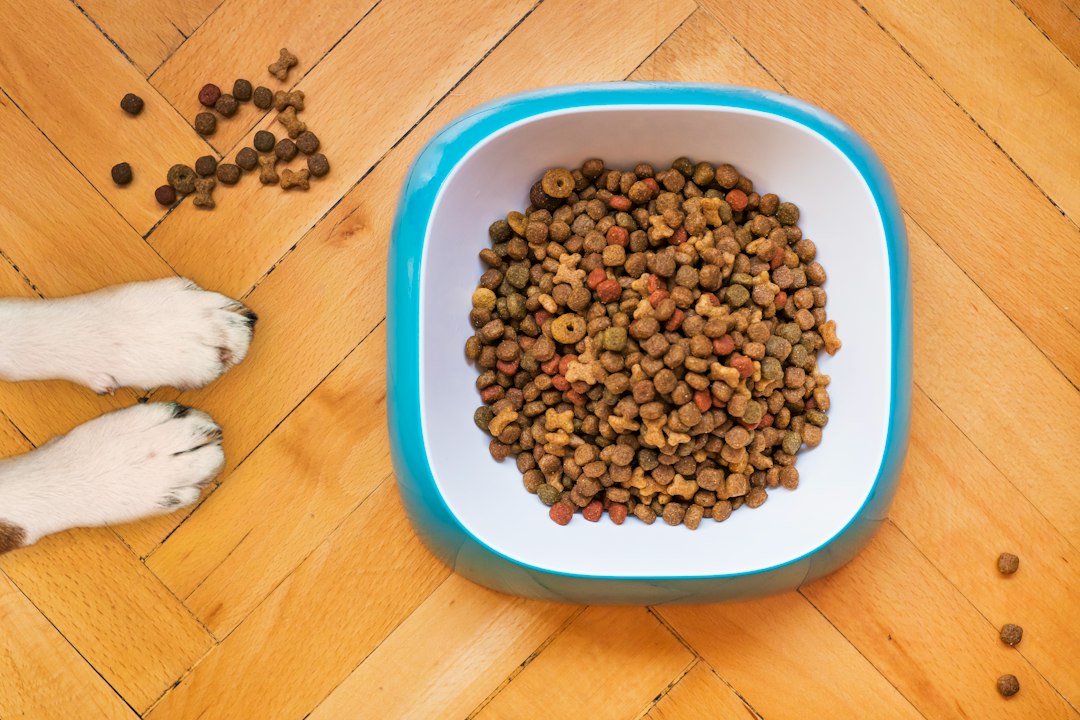
Illustrative photo by Real Natures Food on Unsplash. No pictured food or brand is reviewed, endorsed or represented as used by Shupa.