

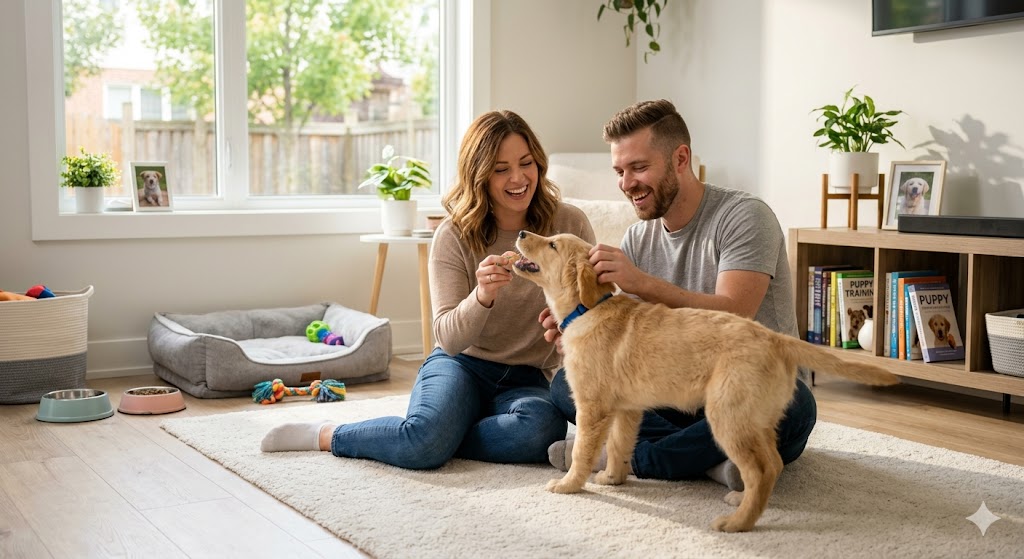
Dog toys are more than just a way to keep a pet occupied—they can play an important role in supporting behavior, reducing restlessness, and providing the kind of mental stimulation that many dogs need every day. A bored dog may chew furniture, bark excessively, dig in the yard, or pace around the house looking for something to do. Interactive puzzle toys offer a practical, enjoyable solution by encouraging dogs to think, problem-solve, and work for rewards. For many pet owners, the right mix of pet supplies can make a noticeable difference in a dog’s mood and behavior.
Unlike simple chew toys, puzzle toys challenge a dog’s brain. They require sniffing, pawing, nudging, sliding, or lifting pieces to reveal treats or hidden compartments. This kind of engagement helps prevent boredom and can be especially valuable for dogs that spend time alone during the day, dogs recovering from injury, or high-energy breeds that need more than a walk to stay satisfied. With so many dog toys available, it helps to know which types offer the best mental stimulation and how to choose the right one for your pet.
Why mental stimulation matters for dogs
Dogs are naturally curious animals. In the wild or in more active environments, they would spend much of their time exploring, searching, and making decisions. In a modern home, that instinct can go unmet unless owners provide outlets for it. Mental stimulation helps satisfy a dog’s need to think and interact with its environment.
A bored dog may not simply be lazy. In many cases, boredom leads to frustration, and frustration often shows up as destructive behavior. Interactive puzzle toys can redirect that energy into something productive. Instead of chewing the corner of a sofa, the dog is working to move a panel or lift a lid to access a treat. That activity provides enrichment, builds confidence, and can even help slow down fast eaters when used as part of mealtime.
Mental exercise is especially important for intelligent breeds, young dogs, and pets with strong working instincts. But even older dogs benefit. Senior dogs may not be able to run and play as much as they once did, but puzzle toys can keep their minds engaged and help maintain cognitive sharpness.
Best types of interactive puzzle toys for bored dogs
Not all puzzle toys are created equal. Some are ideal for beginners, while others are designed for advanced problem solvers. Choosing the right toy depends on your dog’s personality, size, experience, and chewing habits.
Treat-dispensing dog toys
Treat-dispensing dog toys are among the most popular options because they are easy to introduce and highly rewarding. These toys hold small treats or kibble inside and release them gradually as the dog rolls, pushes, or paws at the toy. They work well for dogs that need to burn off energy indoors or for owners who want to turn snack time into playtime.
These dog toys are particularly useful for dogs that need help learning how to play independently. The reward system keeps them interested, and because the toy moves unpredictably, it keeps the challenge fresh.
Slide-and-find puzzle toys
Slide-and-find puzzle toys usually feature compartments covered by movable pieces. Dogs must nudge or slide sections to uncover hidden treats. These toys are excellent for building problem-solving skills because they encourage the dog to observe, experiment, and repeat successful actions.
This type of puzzle is a good next step for a bored dog that has already mastered basic treat-dispensing toys. It provides a bit more challenge without becoming overly frustrating.
Multi-level puzzle toys
Multi-level puzzle toys often combine several actions, such as flipping lids, pulling drawers, or rotating parts. These are ideal for dogs that enjoy a challenge and are not discouraged easily. They are often made from sturdy materials and can keep a dog occupied for a longer period than simpler designs.
For many pet supplies shoppers, this category is where they find the best balance between fun and difficulty. It can take a dog several minutes to solve a puzzle, which is enough time to break up a long afternoon and reduce signs of boredom.
Snuffle mats and scent-based toys
Sniffing is one of the most natural forms of mental stimulation for dogs. Snuffle mats are designed with layers of fabric where treats or kibble can be hidden. The dog uses its nose to search through the material and uncover rewards. This activity taps into natural foraging instincts and can be very satisfying, especially for dogs that love using scent.
Scent-based dog toys are also a great option for dogs that may not be as interested in physical manipulation. Because the game relies on the nose rather than brute force, it can be a gentler and more accessible form of enrichment.
How to choose the right puzzle toys
Selecting the best puzzle toys starts with understanding your dog’s needs. A toy that is too easy may become boring quickly, while one that is too difficult may cause frustration. The goal is to find a toy that challenges your dog without overwhelming them.
Consider the following factors:
– Size and breed: Make sure the toy is appropriate for your dog’s mouth and strength.
– Chewing style: Strong chewers need durable materials that can withstand repeated use.
– Experience level: Begin with simpler dog toys and gradually introduce more complex puzzles.
– Food motivation: Some dogs are highly treat-driven, while others need toys that offer sound, movement, or scent cues.
– Safety: Avoid toys with small parts that could be swallowed or broken off.
It also helps to rotate toys. Even the best puzzle toys can lose their appeal if they are always available. By swapping them out every few days, you can keep your dog interested and make each toy feel new again.
Tips for introducing puzzle toys successfully
When introducing new dog toys, start with easy wins. Show your dog how the toy works by placing treats in obvious spots or partially solving the puzzle for them. This builds confidence and helps prevent frustration. If the dog becomes stuck, offer encouragement rather than leaving them confused for too long.
Keep sessions short at first. A few minutes of success is better than a long session that ends in boredom. As your dog becomes more familiar with the toy, you can increase the difficulty or use it more often. For mealtime, puzzle feeders can be an excellent replacement for a standard bowl, especially for dogs that eat too quickly.
Supervision is important, especially with any new pet supplies item. Watch how your dog interacts with the toy to make sure they are using it safely and not trying to chew through parts that are meant to move.
Additional ways to keep a bored dog engaged
Puzzle toys are a powerful tool, but they work best as part of a broader enrichment routine. A bored dog benefits from a mix of activities that include physical exercise, training, scent work, and social interaction. Short training sessions, hide-and-seek games, and food scatter games can all support mental stimulation.
You can also create variety by changing the type of challenge. One day, use a snuffle mat. The next day, offer a treat-dispensing toy or a multi-step puzzle. This keeps the experience fresh and gives your dog different ways to learn and problem-solve.
For dogs that spend time alone, leaving one or two interactive toys available can make the day more manageable. For high-energy dogs, using puzzle toys after a walk or play session can help them settle down more easily.
Choosing dog toys that match your dog’s personality
The best dog toys are the ones your pet actually enjoys using. Some dogs love rolling toys across the floor. Others prefer sniffing, pawing, or carefully opening compartments. By paying attention to your dog’s behavior, you can choose puzzle toys that fit their natural instincts.
A bored dog does not always need more exercise in the traditional sense. Often, what they need most is engagement. Interactive puzzle toys provide that engagement in a fun, rewarding way. With the right combination of dog toys, mental stimulation, and thoughtful pet supplies, you can help your dog stay happier, calmer, and more fulfilled every day.