

Is the Great Pyrenees a Good Fit for Your Lifestyle?
Bringing a dog into your life is a big choice that requires thoughtful consideration. Choosing a breed to bring home means lots of research and preparation. If you’re looking for a large, loyal, gentle companion and have prior experience with dogs, the Great Pyrenees may be worth considering.


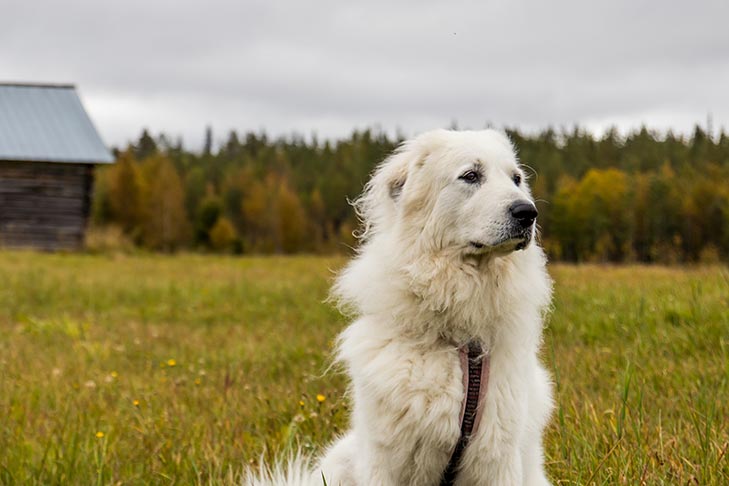
The Great Pyrenees’ Temperament
These gentle giants and members of the Working Group are bred to be flock guardians. Nurture is their nature, making them wildly devoted, loving, and patient animals. These gentle giants and members of the Working Group are bred guardians. Nurture is their nature, making them wildly devoted, loving, and patient animals. While exceptionally loyal, affectionate guardians, they were bred to work independently, so they aren’t a breed that lives to please their owners.
They tend to be independence and strong willed. This makes them somewhat resistant to classic obedience training. They’re best suited to experienced owners who can commit to early socialization and puppy training classes.
Physical Traits
Pyrs are large dogs that embody an air of confidence and majesty. They’re an imposing yet elegant breed that carries itself with confidence and dignity. Standing between 25 and 32 inches tall and weighing between 85 and 100 pounds, they’re among the larger breeds recognized by the AKC.
Their wedge-shaped heads and soft eyes display an elegant, intelligent expression.
Their weather resistant double coat consists of a long, thick, outer coat of coarse hair and a dense, woolly undercoat. Male Pyrs may have a more pronounced “mane” around their neck and shoulders. The coat is typically all white, or white with gray, “badger,” or reddish-brown markings.
Grooming Needs
Grooming requires a significant time commitment. Their dense, double coats shed a lot, and require weekly brushing sessions. During seasonal shedding periods, which are usually once or twice a year, you may need to brush them more often.
Pyrs aren’t a breed that need regular bathing. Their coats repel dirt naturally, so they really only need baths when they get dirty. Owners should regularly check and clean Pyrs’ ears to prevent infection and buildup of debris and trim their nails regularly.
How Much Training Do Great Pyrenees Need?
Great Pyrenees are tremendously loyal dogs, but they’re quite strong willed and like to think for themselves. Basic obedience training and socialization is critical for every dog. Integrating training and socialization as early as possible is key to long term, positive development.
Again, Pyrs are independent by nature. They are intelligent, fast learners, but bore easily. Varied, short are the best method for keeping a Pyr engaged and excited. They may lose interest in repetitive training exercises. Consistency, patience, and positive reinforcement are especially important when working with this breed.
Great Pyrenees can also be sensitive to new environments. Introducing a Pyr to new places and situations early and often can help.
Pyrs require an experienced dog owner. Because of their size, strength, and independent temperament, many owners benefit from working with professional trainers who have experience with large guardian breeds, along with the aid of professional trainers who know how to navigate the intricacies of large, independent-minded breeds.
Are Great Pyrenees Good for Families?
Great Pyrenees can be a great choice for the right family. Pyrs are gentle giants that are extremely loyal, affectionate, and patient. Nurturing is a key part of their temperament. They make for exceptional guardians of their home and loved ones.
Because of their large size, Pyrs aren’t best for families with small children, unless you commit to are prepared to constantly supervise their interactions.
If you and your family understand the challenges that can come with raising a large, stronger-willed dog, a Great Pyrenees could be a good fit for you.
How Social Are Great Pyrenees?
Great Pyrenees are very affectionate and devoted when it comes to their family members. Due to their roots as flock-guardians, they have protective instincts and may be wary or aloof towards strangers and unfamiliar animals. Proper socialization and training can help curb these less desirable tendencies.
Consistent exposure to new experiences, along with ongoing training, can help a Great Pyrenees develop into a confident and well-mannered adult dog.