
SHUPA PET DOG / THE PRACTICAL EDIT
Dog-Proofing Your Home
Home safety for dogs is less about purchasing special accessories and more about removing everyday hazards.
Explore the guide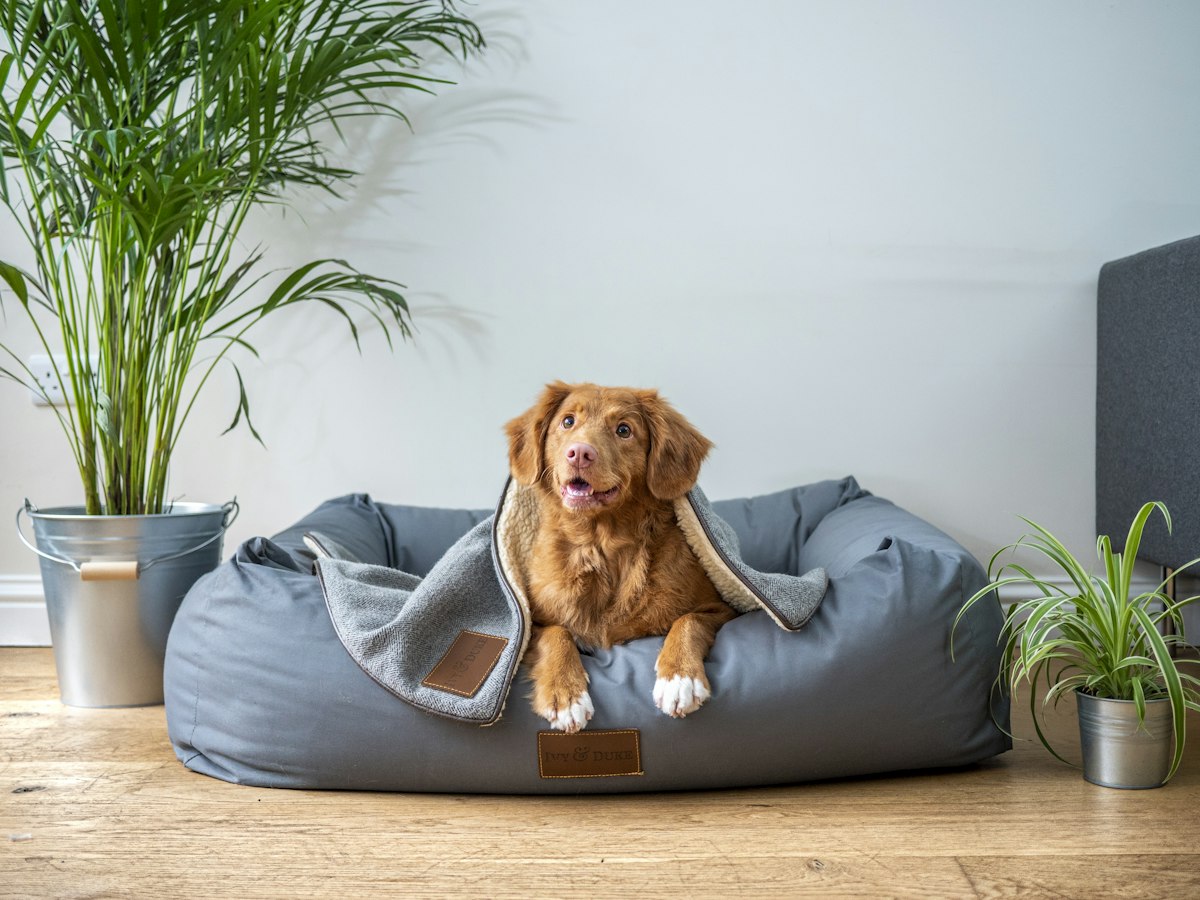
On this page
Home safety for dogs is less about purchasing special accessories and more about removing everyday hazards. A curious new puppy, a senior dog with reduced vision, and an energetic adult may face different risks. Use this room-by-room worksheet before adoption, after moving, and whenever your routine changes.
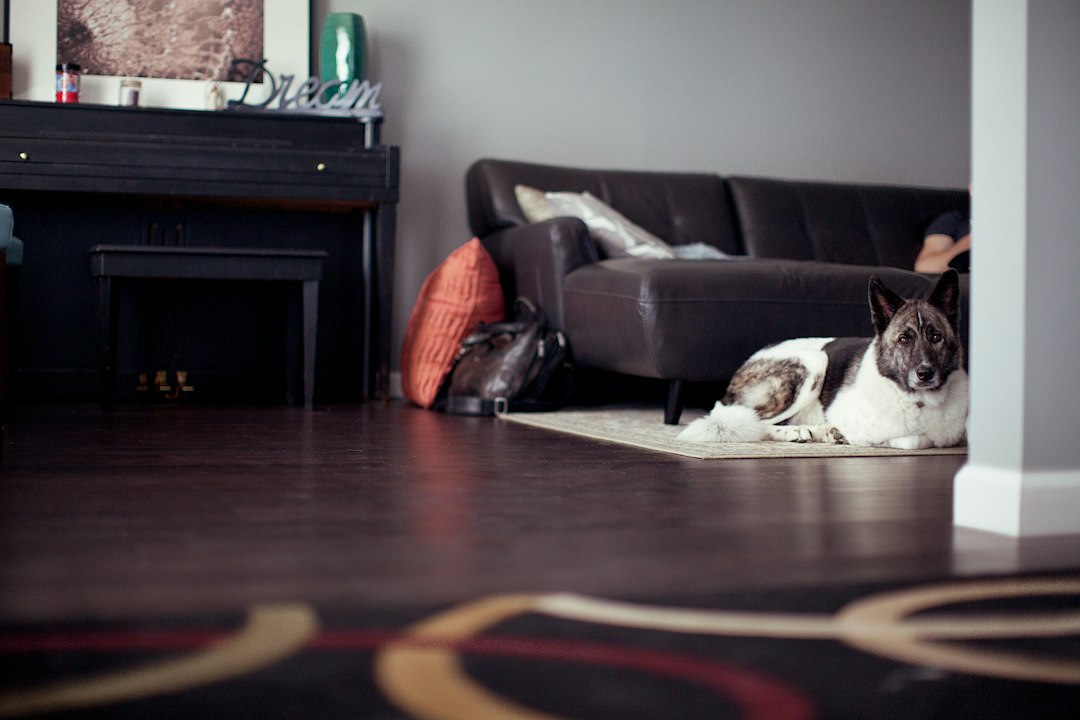
Entryway and doors
- Check door latches and any gate before letting your dog explore.
- Decide where the dog will stay when deliveries or guests arrive.
- Store leashes and identification where the person responsible for walks can find them.
- Look for reachable shoes, small objects and bags that a dog might chew or swallow.
Kitchen and dining area
Secure medicines, cleaning supplies, sharp tools, trash and human food out of reach. Some common foods—including chocolate, grapes/raisins and products containing xylitol—can be dangerous to dogs. Avoid assuming food is safe because a small amount seems harmless. If ingestion is suspected, call a veterinarian or animal poison-control professional promptly rather than trying an online home remedy.
| Possible hazard | Check today | Action |
|---|---|---|
| Trash, scraps and wrappers | Can the dog open the bin? | Use a secure location or latch |
| Medicines and supplements | Are bottles reachable? | Store securely and inventory after spills |
| Food left on counters | Can the dog jump or climb? | Clear food and use active supervision |
| Hot cookware and cords | Is there a path to a burner or cable? | Create a restricted cooking zone |
Living room and workspace
- Check electrical cables, loose batteries and charging accessories.
- Secure unstable shelves or items that could fall after a bump.
- Provide a quiet rest spot away from high-traffic paths.
- Manage plants individually: identify each species and confirm pet safety with a reputable source.
Bedroom, laundry and bathroom
Keep laundry pods, detergents, razors, medications and personal-care products inaccessible. Put socks and small clothing where they cannot be swallowed. Check toilets, tubs and laundry machines before using them when an inquisitive animal is nearby.
Balcony, garden and garage
Inspect fences, gaps, balcony barriers, pesticides, fertilizers, antifreeze, sharp tools, standing water and storage bins. Assume a determined animal may find openings you have overlooked. Outdoors, shade and access to water matter, but a yard does not replace direct supervision.
Want a checklist you can complete as you walk through your rooms? Try our interactive, printable home-safety worksheet.
Emergency card template
- Veterinary clinic / emergency clinic telephone: ____
- Animal poison hotline available in your country: ____
- Dog name, identification and microchip details: ____
- Medications and known allergies for the veterinarian: ____
- Nearest safe person to contact when you are away: ____
How to audit your home
- Walk through each room at the dog’s eye level.
- Fix the most accessible hazards first; a locked cupboard is better than hoping the dog will not investigate.
- Repeat the check after visitors, celebrations, repairs or major rearrangements.
When something toxic may have been swallowed, don’t wait for symptoms to develop. Seek professional guidance. Useful resources: ASPCA Animal Poison Control; ASPCA Toxic and Non-Toxic Plant List.
Related: New dog’s first week checklist.
Shupa Pet Dog independent general-education guide • October 16, 2026. This is not veterinary advice and no direct product testing or credentialed veterinary review is claimed. See our Editorial Policy.