
SHUPA PET DOG / THE PRACTICAL EDIT
When Visitors Arrive
A guest visit has three separate jobs: opening the door, hosting people and protecting your dog's rest.
Explore the guide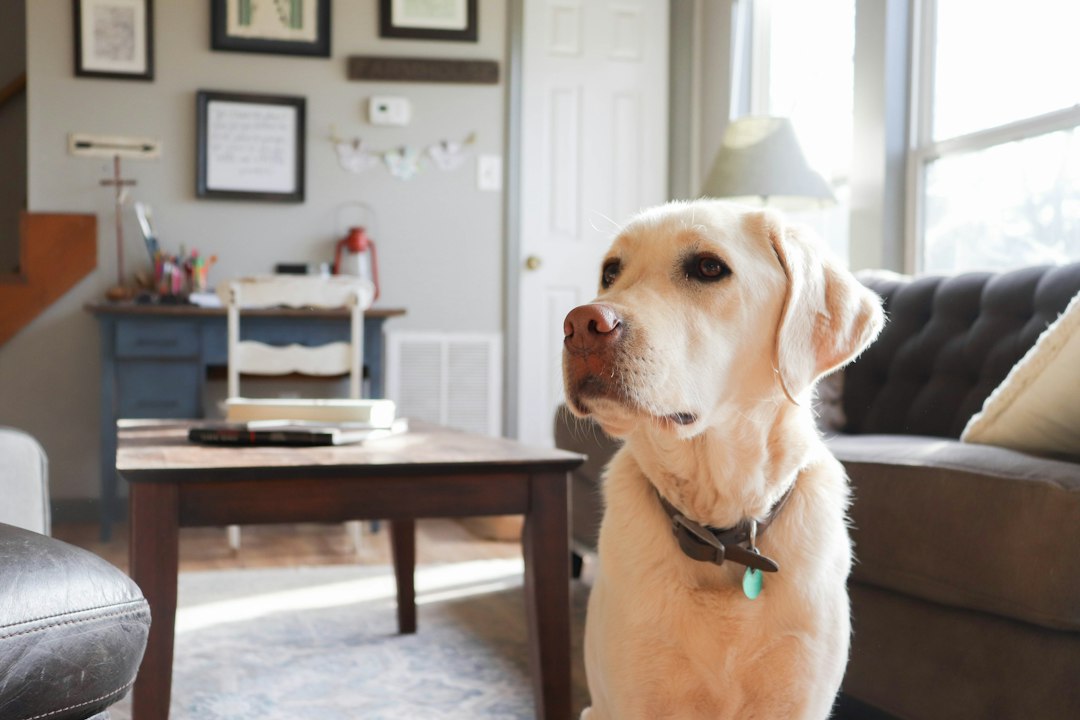
On this page
Illustrative stock photograph: Jamie Street / Unsplash. This is not a documented training outcome.
SHUPA PET DOG · HOME ROUTINES
A guest visit has three separate jobs: opening the door, hosting people and protecting your dog’s rest. Give each job a plan before the bell rings.
A dog does not need to greet every visitor. This worksheet helps a household decide who controls the entrance, where the dog can settle and what happens if the original plan is too much. The layout, role cards and fictional example below are SHUPA editorial tools, not a tested behaviour-treatment programme.
Start with the limit: if your dog has bitten, snapped at visitors or becomes very distressed around them, do not use a gathering to test progress. Arrange safe separation and ask your vet or a qualified behaviour professional for an individual plan. A closed door or gate is useful only if it is secure and your dog is comfortable with that arrangement.
Map three jobs, not a forced greeting
The entrance
Name the adult who opens the door. Before it opens, confirm the dog cannot slip outside or reach arriving guests unexpectedly.
The visitor area
Keep coats, bags and food away from the dog’s resting area. Tell guests the rules before they arrive, so no one improvises a greeting.
The retreat
Choose a familiar resting place away from the busiest route. Visitors do not follow the dog into it. Access to water and a comfortable temperature matter.
Dogs Trust recommends preparing a quiet, familiar retreat in advance and leaving the dog undisturbed there. Its advice describes a resting space the dog can enter and leave freely; a securely separated room for managing a visit is a different arrangement. Do not assume that a dog happy in an open bed will also be happy shut away.
Send one useful message before the visit
“Please message when you arrive and wait until I open the door. We are giving the dog space today, so please don’t call them over, reach toward them or follow them to their bed. I’ll explain whether any greeting is suitable. Please keep bags and food where I show you.”
This script is intentionally specific. “Be careful with the dog” leaves everyone to interpret the rule. If children are visiting, agree which adult supervises them and which adult manages the dog. Never leave a child and dog together unsupervised; if an adult cannot actively supervise, use a secure separation plan that works for the dog.
Run the visit in four short stages
| Stage | Owner’s action | What to record |
|---|---|---|
| Before arrival | Check doors, the agreed resting area and who is responsible. Give guests the message above. | Was the dog already comfortable before the visit? |
| At the entrance | Keep the dog safely away from the opening door. Let guests put things down without crowding the dog. | Which part of arrival caused a change? |
| During the visit | Let the dog rest without pressure to interact. If the dog is worried, increase separation or end the interaction. | Write visible actions, such as “moved behind the sofa,” rather than labels such as “stubborn.” |
| When guests leave | Use the same entrance control as arrival. Check the outside door is closed before changing the dog’s arrangement. | What one practical change would make next time easier? |
Do not lure a hesitant dog toward a visitor with food or hold the dog in place for petting. The aim of this plan is a manageable visit, not proving the dog can tolerate contact. A visit with no greeting can still meet that aim.
A fictional example: one visitor, one delivery
Sam expects a friend at 3 p.m. and a grocery delivery sometime that afternoon. Instead of asking the friend to hold the dog while Sam carries bags, Sam prepares a familiar, comfortable room first. Sam checks in with the dog while the friend puts groceries away. If the dog cannot settle with this arrangement, the visit becomes a short doorstep exchange and Sam plans a different setup before trying again.
The useful detail is the second door-opening event. A plan that covers only the first arrival can fail during deliveries, smoking breaks or departures. This is an invented planning scenario, not a customer story or a promise that separation will suit every dog.
Your visit card
Fill this in for the next visit. These fields do not submit information to SHUPA and this page does not save your entries. Copy them into your own notes before leaving or refreshing.
Two questions worth settling beforehand
Must guests give treats to make the visit positive?
No. A guest should not offer food without the owner’s agreement. Quiet space and a shorter visit may be the better choice. Food should not be used to draw a worried dog into unwanted contact.
What if a guest ignores the resting-area rule?
Stop the interaction and separate safely. Agree the rule again before continuing; end the visit if you cannot maintain it. The dog should not have to defend the resting space.
Continue your home plan
- Check household hazards room by room
- Plan short, reward-based practice sessions
- Leave a clear care handover for a sitter
Sources and editorial method
Published 20 October 2026. SHUPA Pet Dog created the visitor roles, worksheet and fictional example. General welfare guidance was checked against Dogs Trust: creating a safe space and Blue Cross: dogs and visiting children. This page does not diagnose behaviour or replace individual professional advice.