
SHUPA PET DOG / THE PRACTICAL EDIT
Dog Sitter Handover Stress Test
What changes when a gate is open, the owner cannot be reached, a medication note is unclear or the caregiver is delayed?
Explore the guide
On this page
- Before the sitter arrives: four care handover stress tests.
- What to decide before accepting a booking
- Four fictional situations: test your handover
- One-page responsibility matrix
- A three-part handover that can be checked
- The difference between a care summary and private security information
- A worked practice handover — without fictional expertise claims
- What to ask after reading this guide
- Referenced guidance and editorial transparency
Before the sitter arrives: four care handover stress tests.
What changes when a gate is open, the owner cannot be reached, a medication note is unclear or the caregiver is delayed?
These scenarios are fictional training examples, not firsthand boarding reviews or veterinary assessments.
What to decide before accepting a booking
The American Kennel Club recommends an in-person meeting, questions about training, experience, fees and emergencies, references and a backup arrangement when evaluating a sitter. The owner should demonstrate where food and walking equipment are kept and agree on how the sitter should communicate. None of those steps can guarantee safety, but they convert vague assumptions into questions that can actually be checked.
Imagine a household with one adult dog. Care is arranged for several visits during a weekend. The owner knows the dog’s usual food, leash, routes, emergency contacts and possible fears; the sitter does not. The purpose of the four examples below is to reveal which details would be missing from a generic “feed and walk” message.
Four fictional situations: test your handover
The side gate does not latch
Situation: At the introduction visit, the sitter notices that the side gate sometimes swings open. The dog is curious about the street.
Better preparation: Repair or secure the gate and agree on an approved indoor-to-outdoor route before leaving. Identify where the leash is kept and confirm identification information. The sitter should not be asked to improvise a risky exit routine.
Write down: Which doors and gates must remain closed? Who can resolve an access problem?
Weather prevents the planned walk
Situation: The planned route is unsuitable because pavement is hot or conditions are dangerous.
Better preparation: Discuss a veterinarian-informed weather threshold or a comfortable alternative with the owner before the booking. Provide a safe indoor option that the dog knows. The sitter should contact the owner rather than force the plan.
Write down: Which weather or comfort conditions mean stop, and what approved alternative exists?
A medication note is incomplete
Situation: The bottle and a hand-written message do not clearly match. The sitter cannot confirm timing.
Better preparation: Arrange written instructions directly from the prescribing veterinarian, demonstrate the routine and agree on a professional contact. Do not ask the sitter to invent a dose or substitute medication based on an online article.
Write down: Where are the verified veterinarian instructions, and whom should the caregiver contact before proceeding if they do not match?
The sitter is delayed and the owner is unreachable
Situation: A travel disruption delays the caregiver and the owner’s phone is not answering. The dog needs its routine and the house must be secured.
Better preparation: Agree in advance on an available backup person, the method for gaining authorized entry and how the sitter should report a delay. Include actual veterinary emergency pathways. Do not post security codes or personal addresses on public websites.
Write down: Who is the backup decision-maker, what is the safe access plan, and when should the caregiver escalate?

One-page responsibility matrix
Use this matrix before the sitter’s first visit. It is intentionally about who confirms each detail, not a promise that a service or individual is qualified.
| Topic | Owner confirms | Sitter confirms | Backup or escalation |
|---|---|---|---|
| Meal routine | Portions, times, approved food and storage | Can follow written instructions and locate supplies | Contact owner when a food instruction is unclear |
| Outdoor safety | Secure exits, harness, agreed route, limitations | Can handle the dog and use the agreed equipment | Approved indoor alternative, professional help for risks |
| Medical history | Accurate vet-written directions and current veterinary contact | Understands their limits; no dose invention | Licensed veterinarian and agreed emergency authorization |
| Access / delay | Permitted access method and designated backup | Can arrive as agreed and report disruption | Reachable alternative person, not an unapproved substitute |
| Communication | Preferred check-in times and backup contact | Can document completed visits and changes | Agreed plan if owner cannot be reached |
A three-part handover that can be checked
Demonstrate
Walk through a real entry, feeding and leash routine together. A written note is helpful but cannot show whether the gate works or a caregiver is comfortable with the dog.
Confirm
Ask the sitter to explain back the key steps and emergency contacts. Update incomplete information and verify permissions before departure.
Review
After a short trial visit, discuss any difficulties while the owner is still available. A trial does not certify professional skill; it can reveal unclear instructions.
The difference between a care summary and private security information
A printed card is useful for food, walking and emergency contacts. Door alarm codes, property access instructions and detailed travel itineraries deserve separate secure sharing arrangements. Our handover tool intentionally keeps everything in the browser tab and has no database submission, but the owner remains responsible for the privacy of anything printed or entered on a shared device.
A worked practice handover — without fictional expertise claims
Consider a fictional two-afternoon visit for “Milo.” The owner prepares an accurately measured meal container, shows the actual approved leash, writes “side gate must remain latched,” and verifies a clinic’s after-hours contact. At the introduction, the sitter asks what happens if the owner is unreachable. The owner adds a backup decision-maker and verifies that person is willing. The resulting care sheet is useful because the missing decision was found before the visit, not because a checklist promised to eliminate all risk.
This simulation is not a review of a named sitter, facility, medication or training technique. It is an independently constructed example for readers to adapt. Use the care card builder to record your own confirmed details and print a copy privately.
What to ask after reading this guide
Should every dog have the same walking plan?
No. The household should agree on a plan that fits the individual dog and seek professional advice for relevant health or behavior limitations. The sitter must be able to follow it safely.
Can a sitter give medicine using directions generated by a website?
No. Directions about a specific prescription belong to the prescribing veterinarian. The website should not invent medication amounts or schedules.
What if the sitter has no backup?
That is a booking decision to resolve in advance. Ask how unexpected absence is handled and whether an alternative caregiver can actually meet the agreed requirements.
Referenced guidance and editorial transparency
- American Kennel Club: How to Find and Choose a Pet Sitter — interviews, references and backup arrangements.
- American Kennel Club: How to Prep Your House for a Pet Sitter — written feeding, contact and safety instructions.
- American Veterinary Medical Association: Pet Owner Resources — general veterinary care guidance.
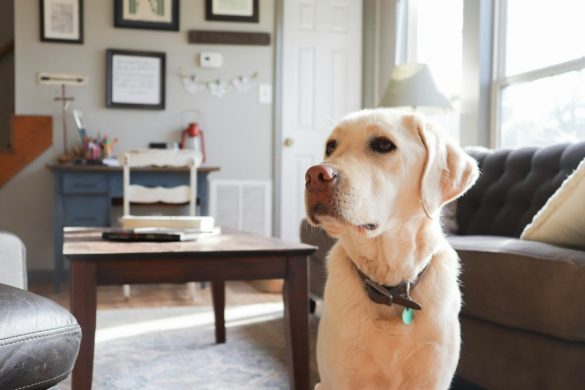
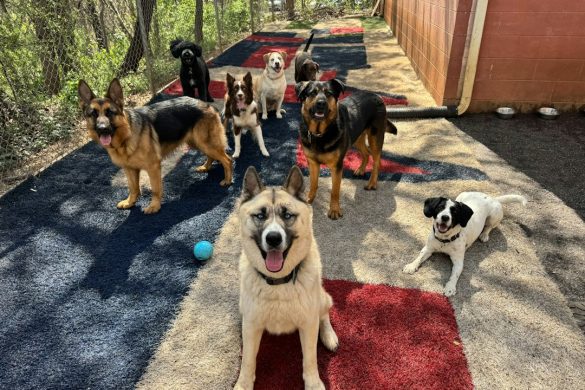
Prepared by Shupa Pet Dog Editorial, October 2026. Four fictional cases, no clinical or firsthand professional review. Illustrative photos by Chewy, Laura Roberts and Rebekah Whitney via Unsplash; read image credits. Use Contact to report corrections or rights concerns.