
SHUPA PET DOG / THE PRACTICAL EDIT
A Three-Stop Sniff Walk
One familiar pause. One optional stop.
Explore the guide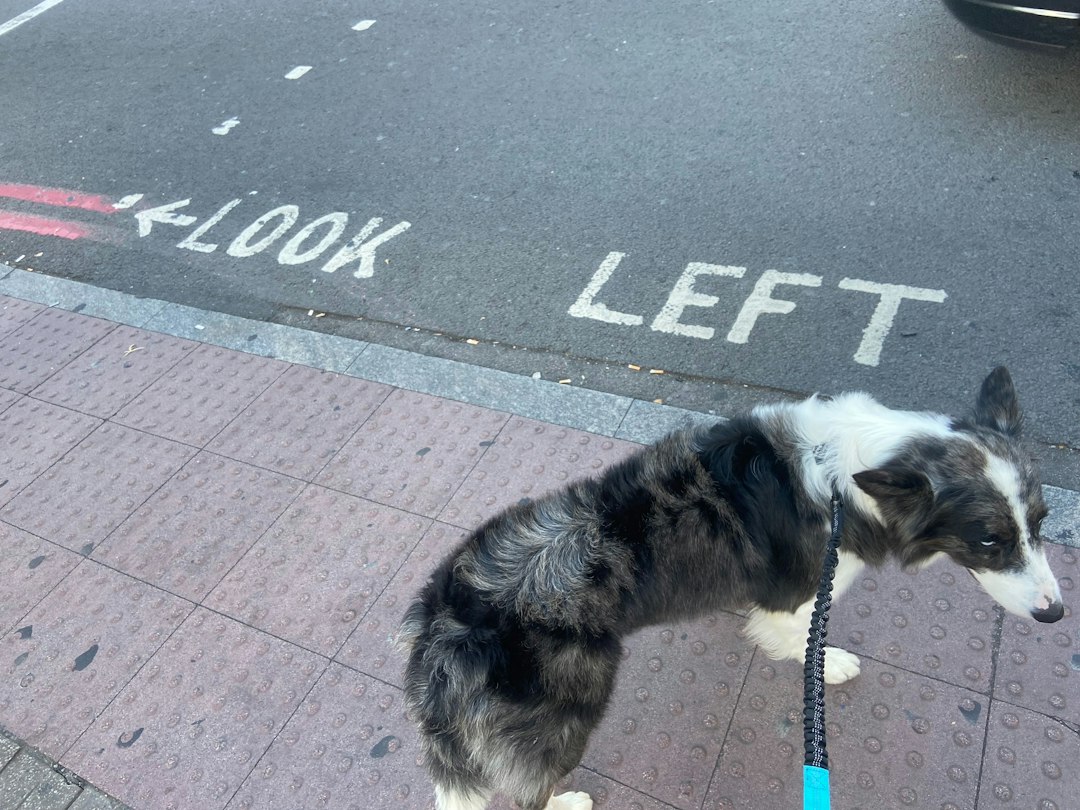
On this page
FIELD NOTES / WALK WITH CHOICE
A little map for a more flexible walk
One familiar pause. One optional stop. One easy way home. Build a route around choices instead of chasing a distance target.
Draw opportunities, not a distance target
A familiar walk can offer different choices without becoming a longer walk. This route card asks a smaller question: where can your dog pause, where can you create space, and where can you turn home? It is not an exercise prescription or a test of whether your dog is “good” at walking.
Dogs Trust describes sniffing as a natural way dogs gather information and encourages time to sniff on walks. Our three-point map turns that principle into a repeatable planning exercise. A route that looks interesting on a map may still be unsuitable today.
One easy place
Choose a permitted, familiar spot away from traffic and obvious waste. Your dog can pause or continue; the stop is an invitation.
One extra choice
Add a second location only if there is room and your dog appears comfortable. Skipping it is a useful outcome.
A way back
Identify an ordinary route home that does not depend on squeezing past people, dogs or a narrow gate.
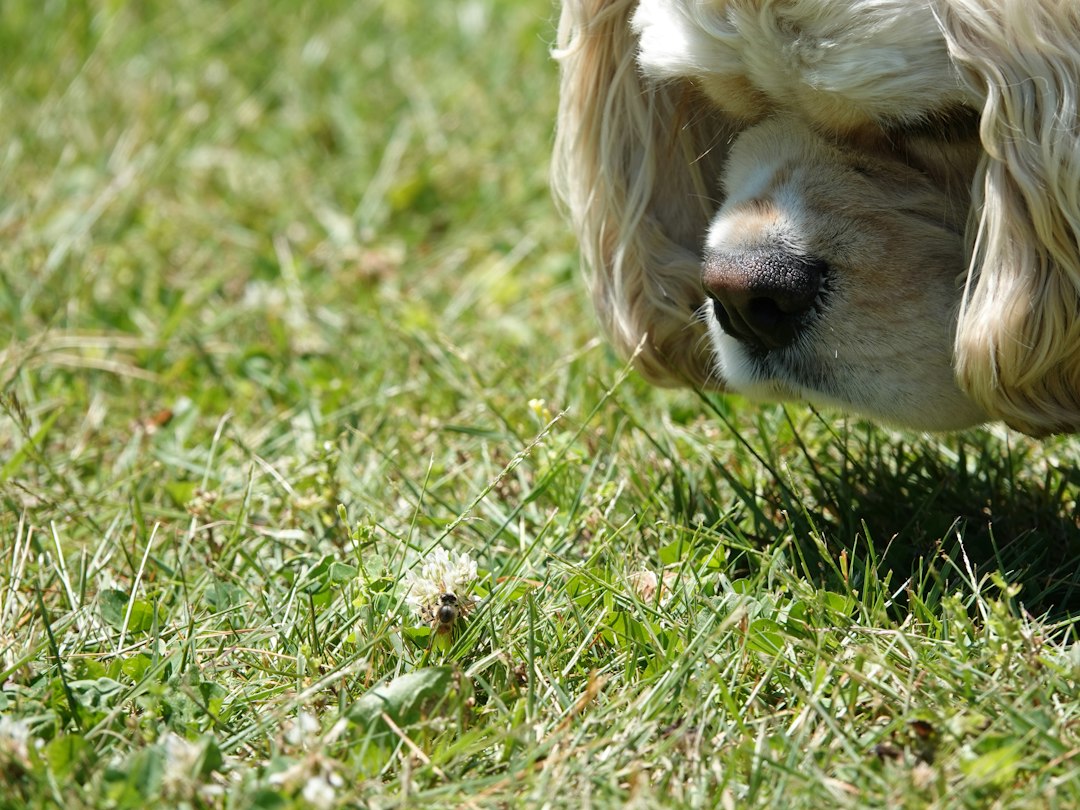
Build a pocket route card
Use general labels such as “quiet hedge”; do not enter your home address. Entries stay in this page and are not saved or submitted by this tool. Reloading clears them.
Observe one thing on each outing
For a hypothetical comparison, Tuesday’s quiet hedge may have allowed an unhurried pause, while Thursday’s delivery traffic made it a poor option. That does not establish a change in health or temperament. The useful result is a route adjustment: use the easy return and try a different time.
Compare the same general time of day before drawing a conclusion. Change one stop at a time. Do not turn the diary into a competition for the most sniffing minutes, and do not hold your dog at a spot to collect a better score.
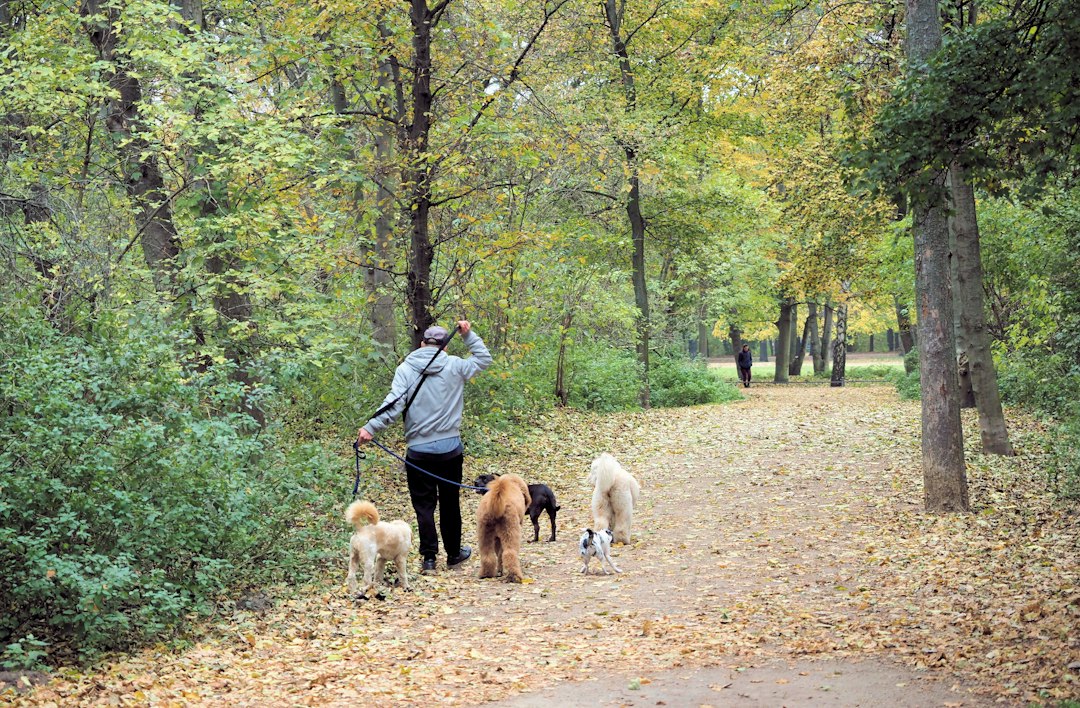
When to abandon the map
Keep your dog safely under control and follow local access and leash rules. Avoid unknown plants, litter, contaminated water, hazards and close encounters that your dog cannot comfortably avoid. Do not scatter food in public spaces as part of this exercise.
If your dog seems uncomfortable, create distance or finish the outing. New or persistent changes in movement, breathing, comfort or behavior call for individual veterinary or qualified behavior advice, not a more ambitious route.
No new accessory is required. Start with the safe equipment and walk arrangements already appropriate for your dog. A shorter, easier route can be the better choice.
For a walker or sitter, share the general route preferences through your care handover card. Share private access details only through an agreed secure channel.
Source for the sniffing principle: Dogs Trust — Enrichment activities. The A–B–exit planning format is SHUPA’s own editorial method.