
SHUPA PET DOG / THE PRACTICAL EDIT
Your Dog's Vet Appointment
Veterinary appointments can feel rushed because it is hard to remember every detail while sitting in the exam room.
Explore the guide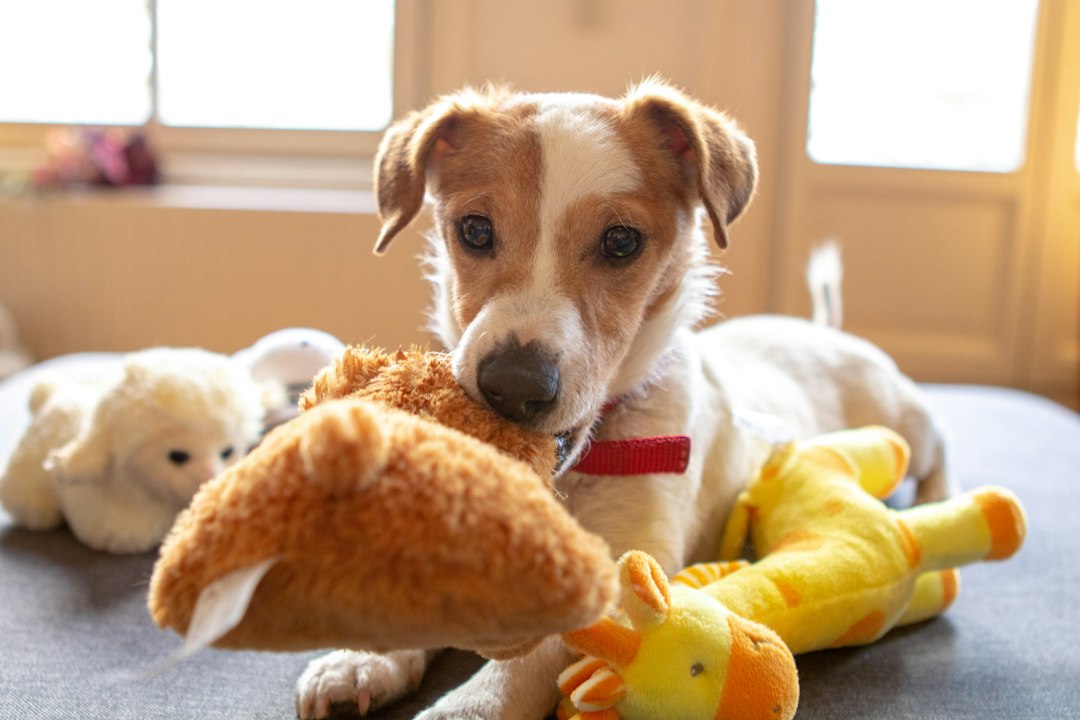
On this page
- Bring useful observations to the vet
- Before the visit: write the timeline
- A seven-field observation sheet
- Questions to ask
- Separate routine appointments from emergencies
- Example: turn scattered observations into a useful timeline
- Copy-and-fill appointment note
- After the visit: preserve the plan
- Prepare with related tools
Veterinary appointments can feel rushed because it is hard to remember every detail while sitting in the exam room. This symptom and question planner is designed to organize useful observations for the veterinarian—not to determine what illness a dog has.
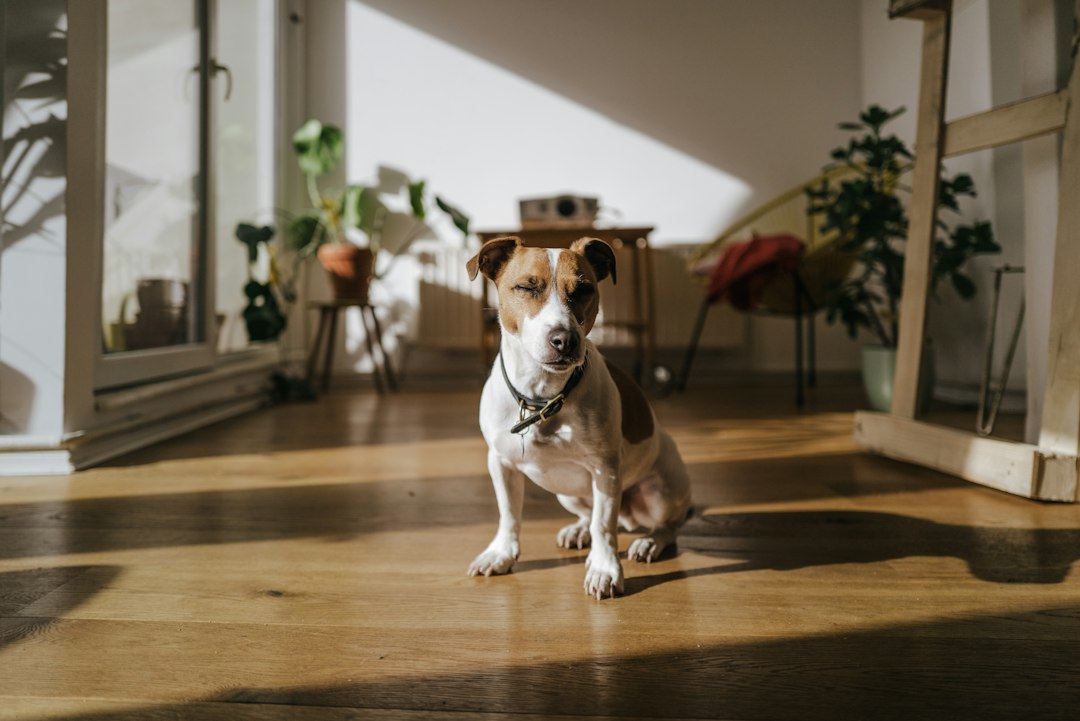
Before the visit: write the timeline
- What exactly changed, and on what date or time did you first notice it?
- Is the change continuous, or does it happen at particular times?
- What was the dog doing before, during and after the episode?
- Have eating, drinking, urination, bowel movements, activity or sleep changed?
- What medicines, supplements or recent treatments has the dog received?
A seven-field observation sheet
| Field | Example format |
|---|---|
| Date and time | ____ |
| What I observed | Plain description without guessing a diagnosis |
| How long it lasted | ____ |
| Food/water changes | ____ |
| Bathroom changes | ____ |
| Medications or supplements | Product, dose if prescribed, and timing |
| Photo/video available? | Only when safe to record |
Questions to ask
- What signs should make us contact you earlier than our next appointment?
- Should any current medication or feeding routine be changed, and by whom?
- Would monitoring at home help? If so, what information should I record?
- What is the expected follow-up timeline?
- What are the costs, benefits and alternatives of any proposed test or treatment?
Separate routine appointments from emergencies
Do not use a worksheet to delay emergency care. Difficulty breathing, collapse, uncontrolled bleeding, seizures, suspected poisoning, inability to urinate, severe distress or rapidly worsening symptoms warrant immediate veterinary advice or emergency services. Call ahead when possible so the clinic can give appropriate instructions.
Example: turn scattered observations into a useful timeline
The example below is fictional. It illustrates how to describe what you saw without guessing a cause or delaying necessary veterinary care.
| Time | What the owner saw | Context and supporting record | Question for the veterinarian |
|---|---|---|---|
| Monday, morning | Dog hesitated before getting up from a resting place | Note the surface, duration and whether it happened again | Does this change need assessment today? |
| Monday, evening | Owner noticed a change during a usual activity | Short video if safe; do not encourage movement to recreate a symptom | What activity is safe while arranging assessment? |
| Tuesday | Owner records whether the concern continued, improved or worsened | Record appetite, drinking, toilet habits and medication accurately | What changes require urgent attention? |
A log should never be used to postpone a veterinary assessment. If your dog cannot bear weight, shows severe pain, has difficulty breathing, collapses, or deteriorates rapidly, contact a veterinarian or emergency service promptly.
Copy-and-fill appointment note
- Reason for appointment in one sentence: ____
- First date and time noticed: ____
- Exact observation, without a diagnosis: ____
- How often it happened and how long it lasted: ____
- Changes in eating, drinking, movement and bathroom habits: ____
- Existing medications and supplements, as prescribed: ____
- Images or videos available, recorded without stressing the dog: ____
- My top two questions: ____ / ____
- Follow-up date and instructions confirmed with the clinic: ____
Print or copy this note for the visit. Do not post identifying owner information or private veterinary records in a public comment.
After the visit: preserve the plan
In your own words, record the instructions you were given, any medicines or changes, the next check-in, and when to call if symptoms change. If unclear, contact the clinic to confirm rather than guessing. Keep your dog’s medical history privately and do not post sensitive information in public comments.
Prepare with related tools
See our home-safety checklist for emergency contact planning and first-week observation log. The American Veterinary Medical Association maintains pet-owner information resources.
Shupa Pet Dog independent general-education guide • October 16, 2026. This is not veterinary advice and no direct product testing or credentialed veterinary review is claimed. See our Editorial Policy.