
SHUPA PET DOG / THE PRACTICAL EDIT
Caring for an Older Dog
An older dog's habits may change slowly enough that small differences are easy to miss.
Explore the guide
On this page
- Noticing small changes helps
- Track changes rather than guessing why they happen
- Copy this daily line
- Simple comfort questions about your home
- Changes to discuss with a veterinarian
- Seven-day home comfort review: one fictional example
- Home comfort changes to discuss with your veterinarian
- One-week review table
An older dog’s habits may change slowly enough that small differences are easy to miss. A short observation log helps you explain patterns to your veterinarian and adjust the home environment sensibly. This is a care-planning tool, not a home test that can diagnose arthritis, cognitive disease, pain or other conditions.
Track changes rather than guessing why they happen
| Domain | Observation to note |
|---|---|
| Movement | Getting up, walking, climbing and resting after activity |
| Appetite | Interest in meals and noticeable changes |
| Drinking and bathroom habits | Frequency, accidents and new patterns |
| Rest | Comfort, interruptions, nighttime changes |
| Interaction | Response to familiar people and routines |
| Grooming and skin | Areas sensitive to touch, skin or coat changes |
Copy this daily line
Today ____ / Sleep ____ / Eating ____ / Drinking ____ / Bathroom ____ / Mobility ____ / Enjoyed activity ____ / New concern ____.
A single unusual day does not always reveal a trend, but sudden or severe changes warrant prompt attention. Never use a log to delay veterinary care for a visibly distressed animal.
Simple comfort questions about your home
- Does the dog slip when getting up from a favorite resting place?
- Can the dog reach water without stairs or difficult obstacles?
- Is bedding comfortable, dry, easy to access and easy to wash?
- Do door thresholds, stairs or jumping requirements now make routines harder?
- Is a shorter, more comfortable route preferable to a fixed long walk?
Changes to discuss with a veterinarian
Difficulty standing, reluctance to move, persistent limping, new disorientation, appetite loss, drinking or urination changes, unusual vocalization, breathing problems or signs of pain deserve individual evaluation. A veterinarian may assess mobility, dental status, weight, vision, cognition and other factors. Ask before starting supplements, pain medicines or exercise changes.
Seven-day home comfort review: one fictional example
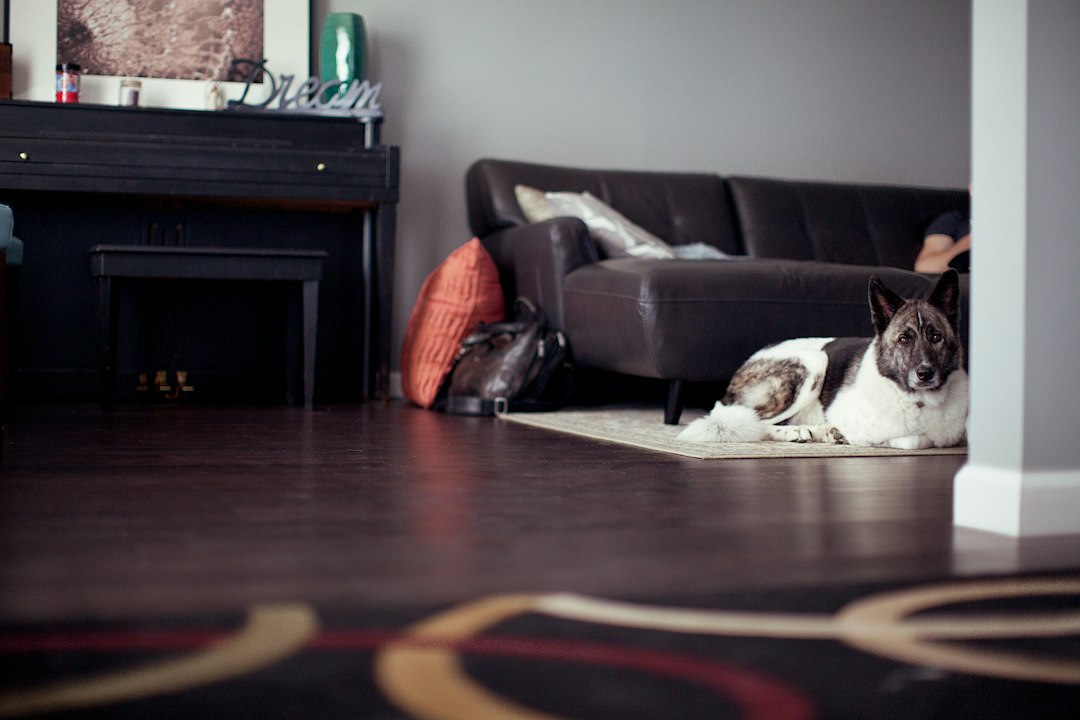
Consider an older dog who has started hesitating before getting off the couch. A caregiver may observe when the hesitation occurs and what the floor and furniture are like, but should not conclude that this is merely normal aging. Pain, mobility limitations and other health changes need veterinary assessment. This example shows how to organize observations for that conversation; it is not a diagnostic test.
| Day | Observation to record | Comfort and environment note |
|---|---|---|
| Day 1 | Does the dog get up and lie down in their normal way? | Identify whether the floor near the resting spot is slippery |
| Day 2 | Does getting to food and water seem comfortable? | Check accessible bowl placement and obstacles |
| Day 3 | Is the dog reluctant to use stairs or approach a doorway? | Record the context; don’t force stairs as an experiment |
| Day 4 | Is sleep interrupted or the dog changing rest positions unusually often? | Note bedding condition, temperature and nighttime activity |
| Day 5 | Do walks and familiar play activities seem different? | Use only activity already considered suitable by the veterinarian |
| Day 6 | Are appetite, drinking or bathroom patterns different? | Describe what changed without labeling the cause |
| Day 7 | Which changes are persistent, worsening or new? | Bring the notes and any safely recorded video to a veterinary appointment |
Do not wait seven days to report a worrying sign. A sudden inability to stand, breathing difficulty, collapse, severe distress, new loss of bladder control with other symptoms, or a rapid decline calls for prompt veterinary guidance. An observation worksheet never replaces urgent care.
Home comfort changes to discuss with your veterinarian
The American Animal Hospital Association senior-care guidelines describe helpful environmental adaptations such as secure non-slip rugs, comfortable bedding and accessible daily routines. Consider the following decisions before buying anything:
- Slippery floors: would a stable non-slip mat make reaching the water bowl or bed easier? Make sure it cannot slide or create a tripping hazard.
- Access to rest: can the dog reach a quiet, comfortable resting place without jumping or a difficult staircase?
- Movement assistance: if a ramp, steps or support harness seems useful, ask a veterinarian how to choose and introduce it safely for this dog’s condition rather than improvising restraint.
- Changing senses: reduced hearing or vision may make sudden surprises distressing; maintain a predictable layout, avoid clutter and approach the dog gently.
- Follow-up: bring a concise log of what changed and which adaptations helped. Ask which changes merit tests, pain evaluation or a personalized mobility plan.
One-week review table
| Question | My note |
|---|---|
| What changed this week? | ____ |
| What remained comfortable? | ____ |
| Which activity was difficult? | ____ |
| What should I show the vet? | ____ |
Pair this record with the vet-visit symptom sheet and use the home-safety checklist to identify hazards and slippery areas. Additional pet owner resources: American Veterinary Medical Association (AVMA).
Original Shupa Pet Dog planning guide • October 16, 2026. General education only. Consult a veterinarian or other qualified professional for individual health and safety needs.